Editor's Choice 2026

Break Free from Proprietary Ink: The Open-Source DRM-Free Printer Revolution

This printer breaks the mold. It takes on HP, Epson, and Canon. No DRM. Just open hardware. You actually own your device.

Compare products

As an Amazon Associate we earn from qualifying purchases. Links marked 'View on Amazon' are affiliate links.

Our Picks

Compare The open-source, DRM-free Open Printer shows off a working prototype

Each product is independently evaluated and scored out of 10.

★ Top Pick
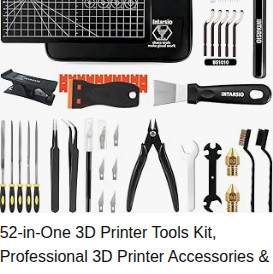
Open-Source DIY Printer Kit #1

Open-Source DIY Printer Kit

DIY enthusiasts and privacy advocates

Real gear for tinkerers. You build it. You own it.

Pros

  • Fully open-source firmware
  • No DRM restrictions
  • Repairable and modifiable

Cons

  • Requires assembly
  • Not plug-and-play
  • Community support only
View on Amazon
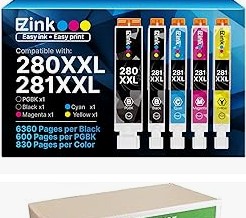
Generic Refillable Ink Cartridges #2

Generic Refillable Ink Cartridges

High-volume home users

OEM ink wallets are bleeding you dry. Switch to refillable cartridges. It’s just smarter. Save the cash.

Pros

  • Significantly cheaper per page
  • Reusable design
  • Wide compatibility

Cons

  • Requires manual refilling
  • Potential for leaks if mishandled
  • Variable print quality
View on Amazon
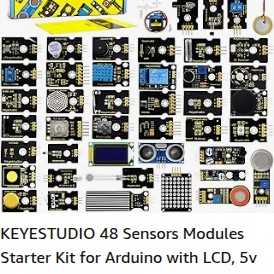
Open Hardware Electronics Starter Kit #3

Open Hardware Electronics Starter Kit

Electronics hobbyists

If you are building open hardware, you need this. It is essential.

Pros

  • Comprehensive component selection
  • Good for learning
  • Supports multiple projects

Cons

  • Can be overwhelming for beginners
  • Takes up space
  • Not printer-specific
View on Amazon

Introduction to DRM-Free Printing and the Open Printer Prototype

Printers have long been a scam. You buy the cheap machine, then pay for expensive ink forever. DRM locks you out of using cheaper cartridges. It is a trap designed to bleed your wallet.

Enter the open printer prototype. This isn't just a new gadget. It is a rejection of corporate control.

Users can finally repair and modify their devices. No proprietary code stands in the way. High quality prints are possible without permission slips.

This is about freedom.

The shift is already happening. You get to choose your ink. You own your hardware. Stop letting manufacturers dictate your choices.

Open Printer vs. Traditional DRM-Locked Printers (HP, Epson, Canon)

Big brands like HP and Canon price you into a corner. They use firmware updates to block third-party ink. It is a deliberate trap called printer shaming.

Open source printers flip the script. They welcome any cartridge without digital handcuffs. You get what you pay for.

Traditional machines are built to break. Glue holds parts together while microchips forbid repair. The open printer is modular. Swap out worn parts easily. You actually understand how it works.

It rejects the subscription model.

Proprietary gear needs the cloud for basic tasks. The open printer works offline. It respects your right to fix things. This design choice builds trust between user and machine. Stop letting algorithms dictate your hardware.

Total Cost of Ownership: Open Hardware vs. Proprietary Ink Subscriptions

Proprietary printer makers sell hardware at a loss. They make their money on ink.

A single cartridge can cost more than the machine itself. DRM locks you out of cheaper alternatives. You are forced to pay inflated prices for every page.

Open source hardware breaks this cycle. You can use generic or refillable ink. The cost per page drops dramatically.

Repair is cheap and easy. Swap out broken parts instead of tossing the whole unit. Individual components cost pennies compared to brand new devices.

This model saves serious money over time.

Buying a DIY kit lets you source parts cheaply. You pay for what you need, not a markup. The initial effort pays off in long-term savings.

Stop renting your printing capability. Start owning it.

Sourcing Parts and Compatible Ink for Open-Source Printers

Buying parts for an open source printer is simple. You do not need to hunt down obscure OEM channels. Repositories list every nozzle and belt you might need.

Third-party ink works out of the box. No microchips block you from using cheaper or archival options. You save money without chasing firmware hacks.

The community is surprisingly robust. Forums offer real troubleshooting, not just marketing fluff. You actually learn how the machine works.

This is not just hardware. It is a movement.

Makers constantly tweak designs to cut costs or boost speed. They share these fixes openly. Your tweaks help the next user.

You join a global network of engineers and hobbyists. They want technology accessible, not locked down. The printer is just the entry point.

Need help?

Frequently Asked Questions

What is an open source printer?

Open source printers use free designs. You can tweak them. Manufacturers can’t lock you in. It is about control. You fix what breaks. You change what you want. Transparency wins here.

How does DRM-free printing work?

DRM-free printing lets you use any ink. Vendors can’t lock you in. You save money. Stop paying for brand names. Just print.

Is the open printer prototype ready for commercial use?

The open printer is being tested right now. It works. But you won't see it in stores yet. We need more tweaks. And more people to care. Early adopters can grab DIY kits. Build it yourself.

Can I use generic ink with an open source printer?

Open source printers run on generic ink. That’s a huge win. Proprietary models lock you into expensive cartridges. You save big per page. It’s that simple.

What are the benefits of open hardware electronics?

Open hardware changes everything. You get the schematics. You fix your own gear. It is not just about saving money. It is about taking back control. Communities improve designs together. Gadgets last much longer. E-waste drops significantly. This is how it should work.